How to Choose Wood Flooring for Your Home
14 October 2026
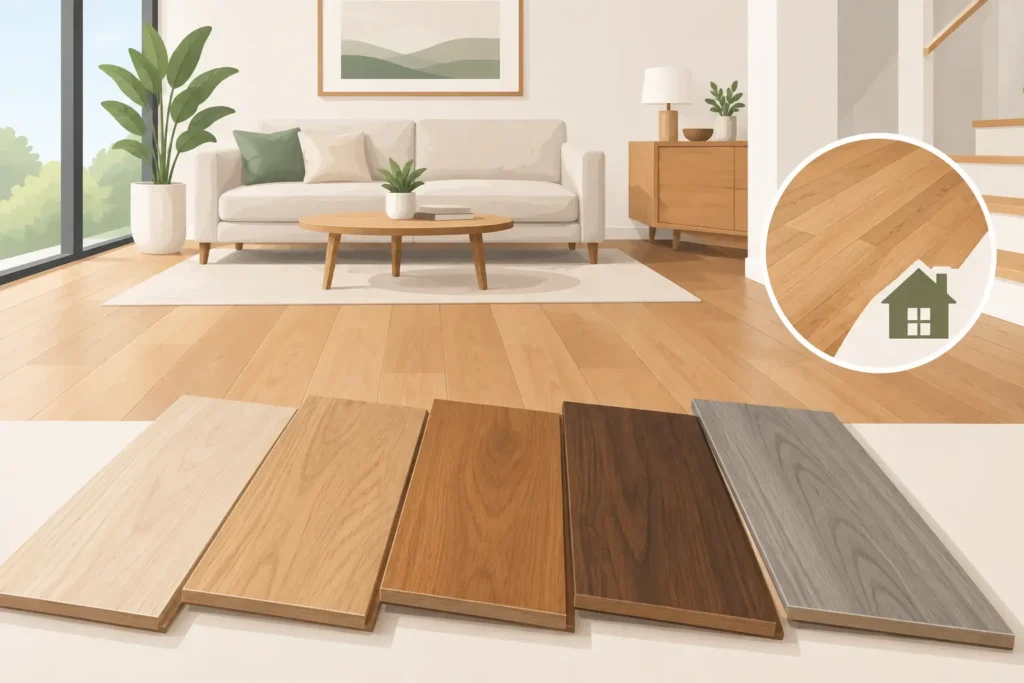
A floor has to do far more than look good under the furniture. It needs to cope with muddy shoes, energetic children, pets, dropped pans and the changing temperatures of a British home. The right wood flooring brings warmth, character and lasting value, but the right choice is rarely simply the one with the most attractive sample.
For many homeowners, the decision comes down to how the room is used, the condition of the subfloor and the finish they want to live with every day. Seeing full boards in person makes this much easier. Grain, colour variation and texture can look very different across a large floor than they do on a small screen.
Start with how your room is used
Before choosing a species, shade or board width, consider the practical demands of the space. A quiet bedroom allows more freedom than a busy kitchen-diner used by the whole family. Hallways need a finish that is forgiving of everyday traffic, while a living room may be the place to choose a distinctive feature grade or a wider plank.
Natural timber changes over time. Sunlight can gently alter its tone, and small marks may become part of its character. That is exactly what many people love about a real wood floor. If you prefer a more uniform appearance or need a surface that can take particularly hard use with minimal concern, luxury laminate or LVT may be the better fit in certain rooms.
It is also worth thinking about the rooms around the floor. An open-plan layout often benefits from one consistent finish to create a calm, connected look. In a period property, individual rooms may suit their own character, perhaps with a traditional oak floor downstairs and a softer, lighter tone upstairs.
Engineered wood flooring or solid wood?
Both are genuine timber products, and both can give a home the depth and warmth that imitation materials cannot fully replicate. The important difference is how the boards are made and where they work best.
Engineered wood is a practical choice for most homes
Engineered wood flooring has a real timber top layer over a stable multi-layer core. This construction helps it cope better with the natural movement caused by changes in humidity and temperature. It is therefore a popular option for modern homes, larger open-plan spaces and properties with underfloor heating, provided the chosen product and installation method are suitable.
It is not a lesser version of solid wood. A quality engineered board has the appearance and feel of real timber because its surface is real timber. The wear layer matters, particularly if you want the option of sanding and refinishing in future. Thicker wear layers can offer greater scope for restoration, while thinner options can provide an excellent-looking floor at a more affordable price point.
Engineered boards are also available in an enormous range of styles. Wide planks can make a large room feel generous and settled. Herringbone and chevron designs add detail and formality, particularly in hallways, dining rooms and renovated period homes. Brushed and textured finishes are useful for busy family spaces because they tend to disguise minor marks better than a very smooth, glossy surface.
Solid wood suits the right setting
Solid wood flooring is made from one piece of timber throughout. It has a timeless appeal and can be sanded and refinished several times over its life, making it a strong long-term choice for suitable rooms.
However, solid boards respond more noticeably to moisture and temperature changes. They are generally not recommended over underfloor heating and need careful consideration in kitchens, conservatories and areas where humidity fluctuates. That does not make solid wood difficult or impractical. It simply means it should be selected for the right environment and fitted correctly.
For a dry, stable room where a traditional all-timber floor is the priority, solid oak remains a beautiful choice. Its natural variation gives each installation its own identity, whether the look is clean and contemporary or more rustic and traditional.
Choosing the right wood flooring finish
The finish affects not only appearance but also day-to-day maintenance. A lacquered finish creates a protective surface over the wood and is straightforward to clean. It is a sensible option for households that want a low-maintenance floor with a consistent look.
Oiled floors have a more natural, tactile appearance. The oil penetrates the timber rather than sitting solely on top, helping to bring out the grain and texture. They can need periodic care, but localised marks are often easier to repair without refinishing the whole floor. For homeowners who appreciate an authentic, lived-in timber look, an oiled floor is often well worth the small amount of extra attention.
Colour deserves the same level of thought. Pale oak can brighten darker rooms and suits Scandinavian, modern country and contemporary interiors. Mid-oak shades are versatile and work well with a wide range of furniture. Smoked, walnut-toned and darker finishes create drama, but show dust and scratches more readily in bright spaces. If possible, view a sample in your own home at different times of day before committing.
Board size, grade and pattern make a real difference
A flooring sample can tell you about colour, but it cannot always show how the scale will feel in a room. Board width is one of the biggest visual decisions. Wider boards showcase the timber’s grain and can make a larger area feel less busy. Narrower boards are often a natural choice in smaller rooms or older properties, where they can look more in keeping with the building.
Wood grades refer to the amount of natural variation, knots and character in the boards. Select-grade timber tends to be cleaner and more uniform. Rustic and character grades celebrate knots, filled splits and tonal differences. Neither is better - it depends on whether you want a sleek, controlled finish or a floor with visible personality.
Patterns also change the mood of a space. Straight planks are classic and versatile. Herringbone feels tailored and works particularly well in entrance halls and formal living areas. Chevron has a sharper, more geometric effect. These patterned floors require more planning and careful fitting, so it is sensible to factor that into the budget from the beginning.
Do not overlook the subfloor and fitting method
The best boards in the world will not perform properly on an unsuitable subfloor. The floor beneath needs to be dry, level and sound before installation begins. This is particularly important in renovation projects, where old floorboards, concrete bases and previous finishes can all need preparation.
Fitting method depends on the product, subfloor and room. Some engineered floors can be floated over a suitable underlay, while others are best glued down for a firmer feel and reduced movement. Solid wood is usually fixed more permanently. Underfloor heating introduces further requirements, including compatible products, controlled temperatures and a gradual commissioning process.
Allowing the flooring to acclimatise before fitting is another simple but valuable step. Timber should adjust to the conditions in the home rather than being taken from a cold delivery vehicle and installed immediately. A professional fitter can advise on the right preparation, expansion gaps and finishing details such as skirting, beading and door thresholds.
Why seeing flooring in person still matters
Online images are useful for ideas, but they cannot tell you how a board feels underfoot or how much natural variation is present. They also make it difficult to judge the depth of a brushed texture, the warmth of a particular oak tone or the difference between two seemingly similar finishes.
At Oakley Wood Timber, homeowners can compare a huge selection of premium wood flooring in a proper showroom setting, alongside laminate and LVT alternatives where they may be more suitable. With more than 30 years of experience, the helpful team can talk through the practical details as well as the design choices, helping you find a floor that suits the room, your budget and the way your household actually lives.
Take a photo of the room, bring measurements if you have them, and collect samples that you can view in your own light. The most successful floor is not just the one that impresses on the day you choose it. It is the one that still feels right after years of ordinary life have happened on top of it.