Is Solid Wood Flooring Right for Your Home?
11 October 2026
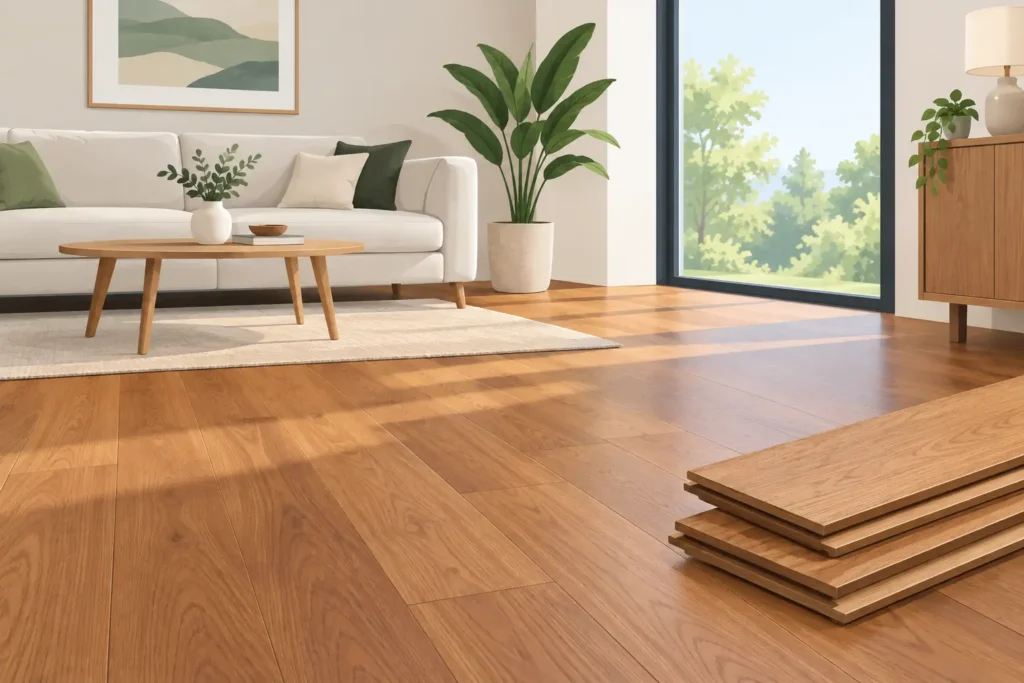
A real timber floor changes more than the look of a room. It adds warmth underfoot, character to a renovation and a surface that can develop beautifully over the years. Solid wood flooring is made from one piece of timber throughout each board, rather than layers of wood bonded together. That simple difference gives it a distinctive feel, as well as a few practical considerations worth understanding before you choose.
For many homeowners, solid timber is the floor they have always wanted. It suits period properties, country homes, carefully planned extensions and rooms where natural materials are central to the design. The right choice can last for decades, but it needs to be selected for the right room and installed with care.
What makes solid wood flooring different?
Each plank of solid wood flooring is cut from a single piece of timber. Oak is a popular choice because it is hardwearing, versatile and available in a wide range of tones, grades and finishes. You may prefer a clean, more consistent appearance, or boards with knots, colour variation and natural grain for a more characterful look.
Because the wood runs through the full thickness of the board, a solid floor can usually be sanded and refinished several times during its life. Small scratches, dents and signs of everyday living do not necessarily mean the floor needs replacing. In the right setting, that repairability is one of solid timber's strongest attractions.
It is also a material that reacts naturally to its surroundings. Timber expands as humidity rises and contracts when the air becomes drier. This is not a fault. It is simply why good fitting, correct acclimatisation and appropriate expansion gaps matter so much.
Where does solid timber work best?
Solid wood is at its best in dry, stable rooms. Living rooms, dining rooms, bedrooms, hallways and home offices are all strong candidates, provided the subfloor is properly prepared. A timber floor can make an entrance hall feel particularly welcoming, although a durable finish and sensible protection around the door will help it cope with muddy shoes and wet coats.
It is usually less suitable for bathrooms, shower rooms and other spaces with frequent moisture. Spills can be wiped up, but standing water and repeated changes in humidity put unnecessary pressure on a solid timber board. Kitchens can work in some homes, particularly where owners are prepared to clean spills promptly and accept a little wear, but they require a realistic conversation about family life, pets and daily use.
If you are planning underfloor heating, engineered wood flooring is often the more practical option. Its layered construction is designed to offer greater stability when temperatures change. That does not make solid timber a lesser floor - it simply means the best product depends on the room, heating system and how the property is used.
The appeal of a floor that ages naturally
A new solid timber floor looks smart from day one, but its real appeal often emerges over time. Sunlight gently changes the tone of wood. Traffic areas gain a lived-in patina. A few marks may become part of the story of a busy family home rather than something to hide.
That is not to say every finish behaves in the same way. Lacquered boards offer a protective surface and are straightforward to clean, making them a sensible choice for many households. Oiled floors have a more natural, tactile appearance and can be repaired locally, although they need regular maintenance with the correct care products. Neither is universally better. The right finish depends on the look you want and the level of upkeep you are happy to take on.
Board size also changes the feel of a room. Wider planks can give larger, open spaces a calm and generous appearance, allowing the timber grain to take centre stage. Narrower boards are often well suited to traditional properties and can bring more visual rhythm to smaller rooms. Colour matters too: pale oak helps maximise light, while smoked, brushed or darker finishes can add depth and definition to an interior.
What to check before buying solid wood flooring
The most successful flooring projects are decided before the first board is fitted. Start with the room itself. Is it dry? Is there a risk of damp beneath the floor? Will heavy furniture, children, pets or regular footfall affect the finish you choose? These questions are practical, but they prevent expensive disappointment later.
The condition of the subfloor is equally important. It needs to be level, dry and structurally sound. A solid timber floor is not there to disguise an uneven or damp base. Depending on the product and subfloor, boards may be secret-nailed, glued or fitted using another appropriate method. Professional fitting advice is valuable here, especially in older Buckinghamshire homes where floors can have more movement and variation than expected.
Allowing the wood to acclimatise before fitting is another essential step. The boards need time in the property so that they can adjust to the normal temperature and humidity of the room. Skipping this process can increase the chance of excessive movement once the floor is down.
You should also think beyond the boards. Thresholds, stair nosings, skirting boards and door clearances all affect the finished result. A well-chosen floor deserves neat details at the edges. If internal doors are being replaced as part of the same refurbishment, planning floor height early can avoid awkward trimming later.
Solid wood or engineered wood?
This is one of the most common decisions homeowners face, and there is no single answer. Solid wood flooring offers the authenticity of a full-timber board and the potential for repeat sanding over a long life. It is an excellent choice for suitable dry rooms where a traditional, lasting floor is the priority.
Engineered wood flooring has a real hardwood top layer over a stable core. It still provides the warmth and natural variation of timber, but it is generally better equipped to handle changes in temperature and humidity. This makes it a popular option for modern extensions, open-plan kitchens and homes with underfloor heating.
The choice is not simply about budget or appearance. Both can look premium when selected well. It comes down to room conditions, installation method, expected wear and how much natural movement the floor will need to manage. Seeing full-sized boards side by side makes this decision much easier than relying on a small online image.
Caring for a solid timber floor
Solid timber is durable, but it benefits from ordinary, consistent care. Vacuum or sweep regularly using a soft attachment so grit does not act like sandpaper underfoot. Use a well-wrung mop rather than a wet one, and choose cleaning products made for the specific finish on your floor.
Felt pads beneath chairs and furniture are a simple precaution. Door mats help catch grit and moisture, while rugs can protect busy areas - although it is wise to move them occasionally so the surrounding timber changes colour evenly in natural light. High heels, pet claws and dropped toys can leave marks, but many homeowners feel that a few signs of use make timber feel more genuine, not less attractive.
When the finish eventually begins to look tired, seek advice before reaching for a general household cleaner or sanding machine. An oiled surface may only need cleaning and re-oiling, while a lacquered floor may need a different approach. Correct maintenance is far more affordable than correcting avoidable damage.
Choose it in person, not from a screen
Timber has grain, texture and colour variation that photographs cannot fully show. A pale oak can look warmer in one room than another; a brushed finish can feel completely different under your hand than it appears online. Taking samples home is helpful, but viewing a large board under proper lighting gives a much clearer idea of what will suit your property.
At Oakley Wood Timber, homeowners can compare a huge selection of premium wood flooring in person and talk through practical details with helpful staff who understand the products. With more than 30 years of experience and over 600 products on display, the aim is to make a considered purchase feel straightforward, with affordable prices and advice based on the room you are actually improving.
A solid timber floor is a long-term choice, so give yourself time to walk on it, compare finishes and picture it alongside your walls, doors and furniture. The best board is not merely the one that looks good in the showroom - it is the one that will still feel right after years of ordinary life at home.