Kitchen Worktops Resistant to Stains for Busy Homes
8 October 2026
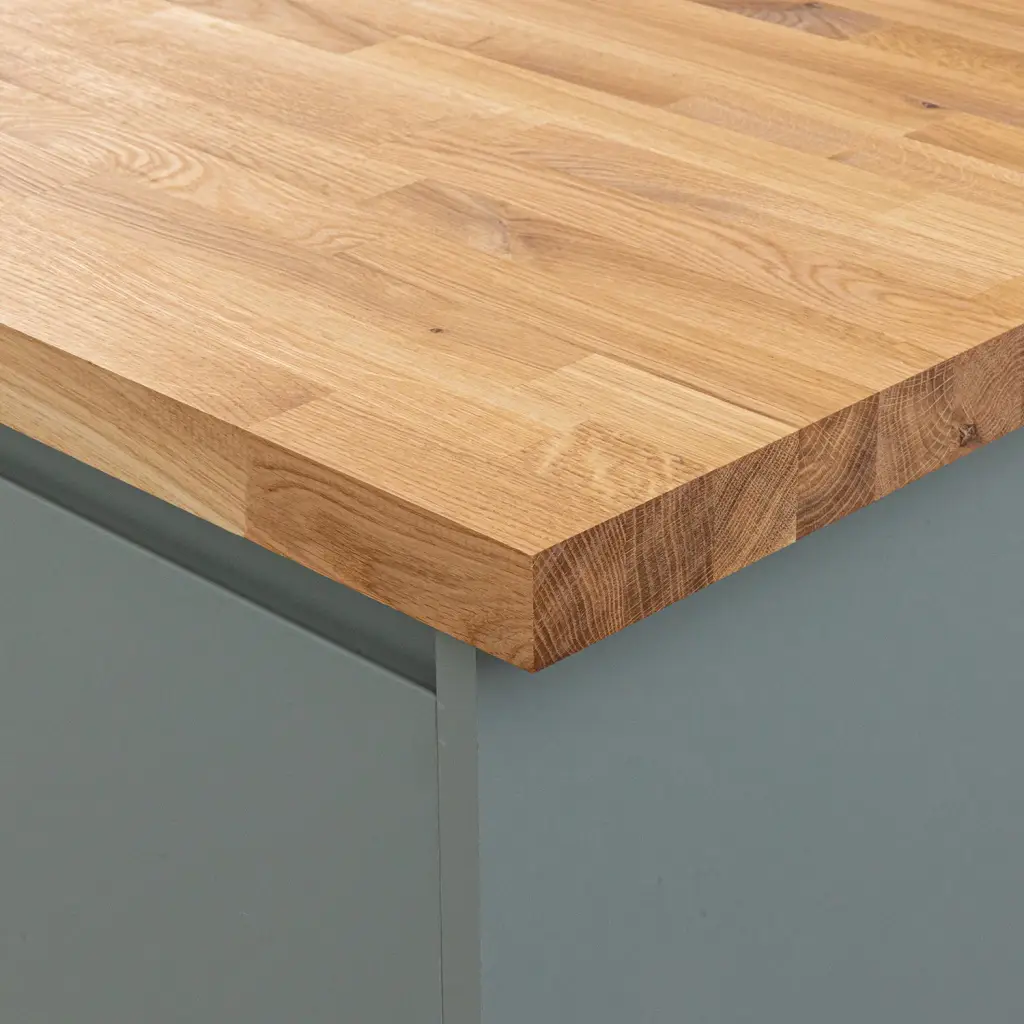
A pale worktop can make a kitchen feel brighter and more spacious, but it also shows every coffee ring, curry splash and glass of red wine. For families, keen cooks and landlords alike, kitchen worktops resistant to stains are often worth prioritising over a finish that simply looks good in the showroom. The right surface should suit how you actually use the room, not just how it photographs on installation day.
Stain resistance is not quite the same as being indestructible. Some materials have a sealed or non-porous surface that gives spills nowhere to soak in, while others need regular care to keep them protected. Heat, scratches, joints and exposed edges also matter. A helpful choice starts with an honest look at your kitchen routine and the level of maintenance you are happy to take on.
What makes a worktop resistant to stains?
A worktop resists stains best when liquids cannot penetrate its surface. Non-porous materials are particularly good at this, as everyday spills remain on top long enough to wipe away. A good quality decorative surface can also be highly practical, provided its edges and joints are fitted carefully and moisture is not allowed to sit there.
The substances most likely to cause trouble are not always dramatic. Tea, coffee, cooking oil, beetroot, turmeric, tomato-based sauces and red wine can all leave marks if they are allowed to dry or soak into an unprotected surface. Limescale can also dull the appearance of darker worktops around sinks and taps.
No material removes the need for basic care. Wiping spills promptly, using a chopping board and avoiding harsh abrasive cleaners will keep almost any worktop looking better for longer. The difference is that some options are much more forgiving when life gets busy.
The best kitchen worktops resistant to stains
Laminate worktops: practical and affordable
Modern laminate is a strong choice for homeowners who want a huge selection of colours, wood effects and stone-inspired designs at affordable prices. The decorative top layer is designed for everyday cleaning and offers very good resistance to common food and drink spills. It is particularly popular in family kitchens, utility rooms and rental properties where easy upkeep matters.
The key consideration with laminate is water at the edges, joints and cut-outs. The surface itself is resistant, but moisture can cause problems if it reaches the core beneath. A well-fitted worktop, properly sealed around sinks and appliances, makes a real difference. Use a cloth to dry standing water rather than leaving it around a tap or draining board.
Laminate is not the best choice for placing hot pans directly onto the surface, and deep cuts cannot simply be polished out. However, for a hard-working kitchen with sensible day-to-day care, it offers excellent value and a consistently clean appearance.
Quartz: a premium low-maintenance option
Quartz worktops are made from natural quartz combined with resin and pigments, creating a dense, polished surface. Because they are non-porous, they are among the easiest worktops to live with when stains are the main concern. Coffee, oil and sauce spills can usually be cleaned with a soft cloth, warm water and a mild cleaner.
They also provide a more substantial, premium feel than most laminate designs, with options ranging from clean whites and soft greys to dramatic veined stone effects. This makes quartz an attractive choice for renovation projects where the kitchen is a central part of the home and long-term presentation matters.
There are trade-offs. Quartz is a heavier, higher-cost material and professional measuring and installation are normally required. It is also highly scratch resistant rather than scratch proof, and very hot cookware should still be placed on a trivet. For many households, though, its easy-clean surface and smart finish justify the investment.
Solid surface: smooth, hygienic and repairable
Solid surface worktops offer another non-porous option, often chosen for their clean appearance and the ability to create discreet joins. They are well suited to contemporary kitchens and utility spaces, particularly where a seamless look around sinks is wanted. Their stain resistance is very good, and there are no open pores for liquids to enter.
Unlike stone, minor scratches or marks can often be refinished by a specialist. That can be a useful advantage in a busy household. On the other hand, solid surface can be more vulnerable to heat and scratching than quartz, so it needs sensible protection around hot pans and sharp knives.
Compact laminate: slim and hard-wearing
Compact laminate is a slimmer, denser alternative to standard laminate. Its solid construction makes it more moisture resistant and durable, which can be useful around undermounted sinks or in modern designs that favour a clean, slim worktop profile. It is available in a wide range of finishes, including convincing stone and timber looks.
It remains a surface that benefits from careful installation and proper cleaning, but it is an excellent middle ground for homeowners seeking a contemporary appearance without moving into natural or engineered stone prices. If you like the idea of a dark worktop but worry about water marks, viewing samples in person is especially worthwhile, as finishes vary considerably.
Where do wooden worktops fit in?
Solid wood worktops bring warmth and character that manufactured surfaces cannot fully replicate. Oak, walnut and other timber worktops can look exceptional alongside painted cabinetry, stone-effect floors or traditional internal doors. They are also renewable, repairable and can be sanded back when they begin to show their age.
However, wood is not naturally among the most stain-resistant worktop materials. It needs regular oiling to build and maintain protection, and spills should be wiped away quickly. Water around sinks, red wine and strongly coloured foods deserve particular attention. A well-maintained wooden surface can serve a kitchen beautifully for years, but it is best for people who appreciate the natural patina of timber rather than expecting a perfectly uniform finish.
A useful compromise is to use wood on an island, breakfast bar or preparation area away from the sink, while choosing a more stain-resistant worktop for the main run. This can bring warmth into the design without putting the most vulnerable material in the hardest-working area.
Choose for your household, not just the display board
The best material depends on who uses the kitchen and what happens there each day. A household with young children may value a forgiving laminate that is easy to wipe down. Keen home cooks might prefer quartz for its non-porous surface and more refined appearance. A period property renovation may call for timber, with the understanding that it needs regular care.
Think about the areas that receive the most use. The space beside the hob is likely to see oils and sauces, while the area around the sink faces constant water exposure. If your kitchen doubles as a homework station, entertaining space and family dining area, resistance to marks from drinks and pens may matter just as much as cooking stains.
Colour and finish play a part too. Very dark polished worktops can show water marks and fingerprints more readily, even when they are genuinely stain resistant. A lightly textured, mid-tone or matt finish can be more forgiving visually. This is one reason why comparing full-size samples under normal room lighting is more useful than choosing from a small image online.
Simple care that protects your investment
Whatever surface you choose, clean it with a soft cloth and a mild cleaner rather than scouring pads or aggressive chemicals. Deal with spills as they happen, particularly acidic liquids and strongly coloured ingredients. Always use a chopping board and a trivet for hot cookware, even on materials marketed as hard-wearing.
For wood, follow the recommended oiling routine and pay close attention to areas near the sink. For laminate and compact laminate, keep joints dry and ensure any damage is dealt with before moisture can get beneath the surface. These small habits protect the finish and help a worktop retain its value for longer.
Choosing a worktop is easier when you can see the colours, textures and edge profiles properly. At Oakley Wood Timber, our helpful staff can talk through practical options alongside the look you want, so you can leave the showroom confident that your new worktop will suit real family life as well as your kitchen plans.