How to Clean LVT Flooring Without Damaging It
17 November 2026
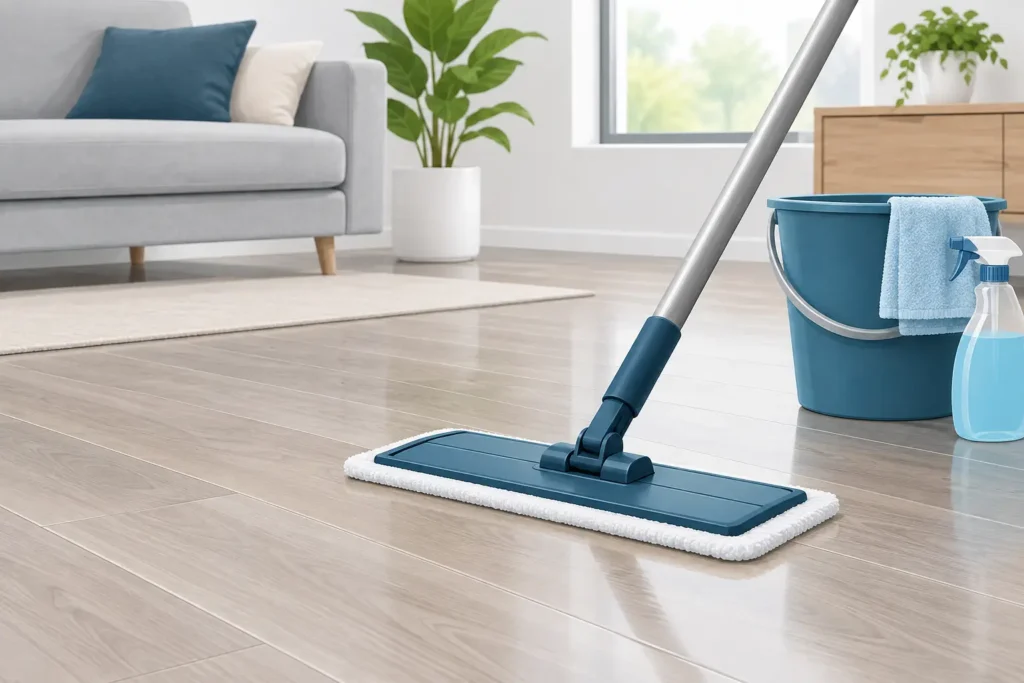
A well-chosen LVT floor should make everyday life easier, not leave you worrying about every muddy shoe, dropped dinner or family pet. Knowing how to clean LVT flooring properly keeps its protective surface in good condition and helps its wood or stone-effect design stay sharp for years to come.
Luxury vinyl tile is designed for busy homes. It is tough, comfortable underfoot and far more forgiving than many natural floor finishes. However, it is not completely maintenance-free. Grit can dull the wear layer over time, standing water can find its way into poorly sealed edges, and the wrong cleaner may leave a sticky film that attracts more dirt.
The good news is that an effective routine is simple: remove dry debris regularly, deal with spills promptly and use very little water when mopping.
Start with your floor's care guidance
Before using a new product, check the cleaning advice supplied by the LVT manufacturer and your fitter. This matters because LVT is available in several formats, including click systems, glue-down planks and tiles, and loose-lay products. The everyday approach is similar, but the recommended cleaning products and moisture limits can differ.
If the flooring has only recently been fitted, ask when it is safe to wet-clean it. Adhesive-fixed LVT in particular may need time to cure before it is mopped. Following the fitting and product guidance protects both the appearance of the floor and any warranty conditions.
How to clean LVT flooring day to day
Dry cleaning does most of the hard work. Sweep with a soft broom, use a microfibre dust mop, or vacuum with a hard-floor setting. Avoid a vacuum head with a stiff rotating brush, as this can mark some vinyl surfaces over repeated use.
How often you do this depends on the room. A kitchen, hallway or entrance used by children and pets may need attention every day or two. In a quieter bedroom or lounge, once a week may be enough. The aim is to remove sand, small stones and loose soil before feet grind them into the surface.
A good-quality entrance mat makes a noticeable difference, especially in British autumn and winter. Use mats that are colourfast and backed with a material suitable for vinyl flooring. Some rubber, latex and PVC-backed mats can react with vinyl if left in place for long periods, causing staining or discolouration. Lift mats occasionally and clean beneath them rather than allowing dirt and moisture to build up.
Mop lightly, not heavily
For routine wet cleaning, use a clean microfibre mop that has been thoroughly wrung out. It should feel damp rather than wet. Add a small amount of a pH-neutral cleaner made for luxury vinyl flooring to warm water, following the dilution instructions on the bottle.
Work in manageable sections and allow the floor to air-dry. There should not be puddles or a visible film of water left behind. If your mop is leaving streaks, it is usually carrying too much water or too much cleaning solution. Rinse the mop regularly, change cloudy water and finish with a dry microfibre cloth if needed.
You do not need to scrub LVT aggressively to keep it clean. A light, regular mop is more effective than an occasional heavy clean with strong chemicals.
Deal with spills before they dry
LVT is a practical choice for kitchens, utility rooms and family living spaces because most everyday spills wipe away easily. Blot liquid as soon as you notice it, then wipe the area with a soft cloth and clean water. Dry it afterwards, particularly around joins and the perimeter of the room.
For food, muddy marks or greasy splashes, use a little diluted LVT cleaner on a cloth or damp mop. Avoid soaking the floor. In most cases, patience and a gentle cleaner will remove the mark without affecting the finish.
If a stain has dried, place a warm, damp cloth over it for a few minutes to soften the residue, then wipe gently. Do not use a knife, scourer or other sharp tool to lift it. These can damage the clear protective layer even if the printed design underneath appears unaffected.
What to use for scuffs and stubborn marks
Black heel marks, rubber scuffs and small sticky marks are common in high-traffic areas. Start with a soft microfibre cloth and a pH-neutral vinyl cleaner. Rub gently, then wipe away any residue with clean water and dry the area.
For a stubborn mark, use a cleaner specifically approved for LVT rather than increasing the strength of a general household product. Test any unfamiliar cleaner on an offcut or hidden area first. This is particularly sensible with pale oak-effect planks, light stone designs and matt finishes, where residue can be more noticeable.
A clean tennis ball is sometimes used to lightly lift a surface scuff, but it should be treated as a cautious last resort rather than a standard cleaning method. If the mark will not shift easily, seek advice from the floor supplier or manufacturer before trying stronger treatments.
Cleaning products and tools to avoid
The wrong cleaning method can leave LVT looking dull, slippery or patchy. Avoid the following:
- Steam mops, unless your specific manufacturer clearly confirms they are suitable. High heat and moisture can affect joints, adhesive and the surface finish.
- Abrasive powders, scouring pads and stiff brushes, which can scratch the protective wear layer.
- Bleach, ammonia, solvent-based cleaners and strong degreasers, unless explicitly approved for the floor.
- Furniture polish, wax and oil-based products. These can create a residue that attracts dirt and may make the floor hazardous underfoot.
- Washing-up liquid as a regular floor cleaner. It may seem mild, but it often leaves a film that causes smears and footprints.
Vinegar is also best avoided as a routine option. Although it is widely suggested as a natural cleaner, repeated use can be too acidic for some vinyl finishes and may not be supported by the manufacturer.
Protect the floor between cleans
Cleaning is only part of keeping an LVT floor looking good. Small practical measures reduce the amount of wear it receives each day. Fit felt pads to chair, table and sofa legs, and replace them when they collect grit. Lift heavy furniture instead of dragging it, or use suitable protective glides when moving it.
In areas where office chairs are used, a chair mat designed for hard floors can prevent repeated wheel marks. Be careful with plant pots too. Use a waterproof tray or stand rather than placing pots directly on the floor, as trapped water and fertiliser spills can leave marks.
Sunlight is another consideration, particularly in south-facing rooms with large glazed doors. Quality LVT is made to resist fading, but no floor covering is completely immune to prolonged direct sunlight. Blinds, curtains or UV-filtering window treatments can help protect the colour and create a more comfortable room in summer.
When your LVT floor needs more than a routine mop
If the whole floor looks dull despite regular cleaning, the issue is often product build-up rather than permanent damage. This can happen when too much cleaner is used, when floors are washed with detergent, or when several different products have been tried over time.
Use a manufacturer-approved intensive cleaner or residue remover, exactly as directed, then return to a simple maintenance routine. Do not assume that a shine-restoring product is needed. Many modern LVT floors have a naturally matt or low-sheen finish, and applying polish can make them look uneven.
Deep scratches, lifting edges, gaps or persistent staining need individual assessment. Cleaning will not repair physical damage, and early advice can prevent a small problem becoming a larger one. Keep a few spare planks or tiles from the original installation where possible, as they can be invaluable if a section ever needs replacing.
LVT earns its place in busy homes because it combines convincing design with straightforward care. Keep grit off the surface, use a lightly damp microfibre mop and choose cleaners made for the job. If you are comparing LVT styles or want practical advice on caring for a new floor, the helpful staff at Oakley Wood Timber can talk you through the options in the showroom.