Shaker Doors for Timeless, Practical Interiors
22 October 2026
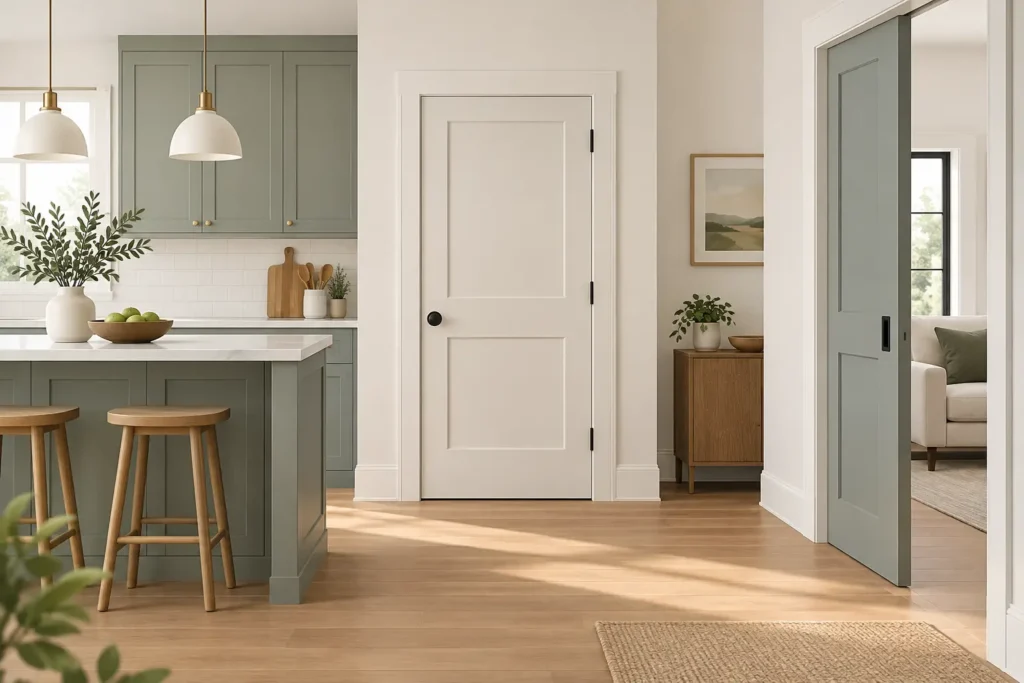
A door is used dozens of times a day, yet it is often chosen late in a renovation, after flooring, paint and kitchen units. That can be a missed opportunity. Shaker doors have the rare ability to bring a whole interior together: they are simple enough for a calm modern scheme, but detailed enough to give a period property real character.
For homeowners updating one room or refurbishing an entire house, their appeal is straightforward. A framed, panelled design feels considered without being fussy. It does not rely on a short-lived trend, and it sits comfortably alongside everything from engineered oak flooring to painted cabinetry and traditional skirting.
What makes shaker doors different?
The Shaker style is defined by honest construction and clean geometry. Rather than ornate mouldings or heavily carved details, a Shaker door uses a straightforward frame with flat recessed panels. The proportions vary from design to design, but the result is always orderly, balanced and easy to live with.
Most internal Shaker doors have either one, two, three or four panels. A four-panel door often suits older homes and more traditional hallways, while a two- or three-panel design can look particularly at home in newer properties. Glazed versions follow the same principle, replacing some panels with clear, frosted or decorative glass to bring daylight into darker spaces.
That restraint is precisely why the design has lasted. Shaker doors provide visual interest, but they do not compete with a statement floor, bold wall colour or carefully chosen furniture. They give a room structure rather than stealing attention from it.
Why shaker doors suit so many homes
A good internal door needs to look right from both sides of the room and work with the rest of the house. Shaker designs are remarkably adaptable because their square lines echo features found in many interiors: kitchen cabinet frames, sash windows, wall panelling and simple contemporary furniture.
In a Victorian or Edwardian home, a painted Shaker door can provide a respectful, practical update without trying to imitate an original ornate door exactly. In a 1930s semi, it works well with warmer timber tones, neutral paint and classic ironmongery. In a modern extension, a crisp white or light grey finish keeps the look clean while adding more depth than a completely flush door.
The style also gives homeowners flexibility if their taste changes. You may repaint an unfinished primed door years later, swap handles, or refresh the surrounding décor without needing to replace every door. That makes it a sensible choice for a long-term family home as well as a refurbishment intended to improve a property's appeal.
Choosing the right panel layout
There is no single best Shaker configuration. The right choice depends on ceiling height, room proportions, existing joinery and the level of detail you want.
A single-panel Shaker door makes a strong, uncluttered statement and is often suited to contemporary homes. Two-panel versions strike a useful middle ground: traditional enough to feel warm, but clean enough for a modern kitchen-diner or loft conversion. Three-panel doors bring a slightly taller, more vertical feel, which can be useful where ceilings are high or a narrow corridor needs more visual lift.
Four-panel Shaker doors tend to feel more classic. They can sit beautifully alongside natural oak, brushed brass or black ironmongery, but they are not limited to heritage schemes. Their repeated lines can also add welcome character to plain new-build interiors.
Where a landing, hall or living room lacks natural light, consider a glazed Shaker door. Clear glass helps light travel between rooms, while obscure glass is useful for a bathroom, utility or home office where privacy matters. The key is to use glazing where it improves the way the house feels, not simply because it looks attractive in isolation.
Finish matters as much as the design
The same door profile can look entirely different depending on its finish. White primed doors are popular because they offer a clean starting point and can be painted to match skirting, architraves or wall colour. They are a particularly practical option when you want a tailored look rather than an off-the-shelf shade.
Pre-finished white doors save time on site and can be ideal when a project needs to move quickly. They provide an even factory finish, although they offer less freedom if you later decide to change the colour scheme. Before ordering, consider whether matching your existing trim is more important than avoiding painting work.
Oak Shaker doors bring warmth and grain into the room. They work especially well with wood flooring, but matching every timber exactly is rarely necessary. In fact, a floor and door that are close but not identical can look accidental. Aim instead for compatible undertones: warmer golden oak with other warm timber shades, or cleaner pale oak with contemporary neutral finishes.
Black or dark-painted Shaker doors can look striking in the right setting, particularly with pale walls and generous daylight. They show their presence more strongly, though, and can make a narrow hallway feel enclosed if used without contrast. A darker finish is often most effective as part of a deliberate wider scheme, including handles, lighting and flooring.
Look beyond appearance before you buy
The face of the door is only part of the decision. Internal doors differ in construction, weight, acoustic performance and day-to-day durability. A lightweight hollow-core door can be an economical choice for a low-traffic cupboard or rarely used room, but it will not have the same solid feel or sound reduction as a heavier engineered or solid-core option.
For bedrooms, studies and busy family homes, a more substantial door is usually worth considering. It closes with greater assurance, helps reduce everyday noise and tends to feel more in keeping with a quality renovation. If you are replacing several doors, opening and closing samples in person can make the difference much clearer than a photograph ever could.
Fire doors need separate attention. Where a building layout or regulations require a fire-rated door, choose a matching Shaker fire-door design rather than treating fire performance as an afterthought. The door, frame, hinges, seals and installation all need to work together. It is worth checking requirements early, especially for loft conversions, integral garages and properties undergoing significant alterations.
Also check handedness, opening direction and available sizes before settling on a style. Standard sizes suit many openings, but older properties can be less predictable. Measuring accurately before ordering avoids an attractive door becoming an expensive compromise.
Do not overlook frames, handles and flooring
A Shaker door looks best when the surrounding details have been considered. Simple square-edged or lightly detailed architraves usually complement the style well. Highly ornate trim can work in a period house, but the contrast should be intentional rather than a result of mixing products selected at different stages of the project.
Handles have a major effect on the final look. Polished chrome feels bright and familiar, satin nickel is understated, aged brass adds warmth, and matt black creates a bolder contrast. Lever handles are generally the most practical choice for everyday family use. If the door design is traditional, a classic lever on rose or backplate may be appropriate; for a more contemporary scheme, a minimal round rose can keep lines clean.
Flooring is the final connection. Pale oak engineered wood flooring brings a relaxed, natural feel to painted Shaker doors. Deeper oak shades can create a more traditional look, particularly with white or soft heritage colours. For kitchens and utility rooms, quality LVT or laminate can offer the practical performance needed while still complementing the tone of the doors.
See the difference before making a final choice
Doors are difficult to judge on a screen. Grain, paint finish, panel proportions and weight all matter once they are in your home. It is also easier to compare a door against flooring samples and discuss practical details when you can see the products side by side.
At Oakley Wood Timber, homeowners can explore a huge selection of internal doors alongside premium wood flooring, laminate and LVT in the showroom. Helpful staff can talk through finishes, construction, sizes and the practical choices that suit your property and budget, without making the process feel complicated.
Bring a few room measurements, photographs of your existing joinery and an idea of the flooring or colour scheme you are considering. The right Shaker door will not just fill an opening - it will make every room it connects feel more considered for years to come.