Best Flooring for Rental Properties Explained
7 November 2026
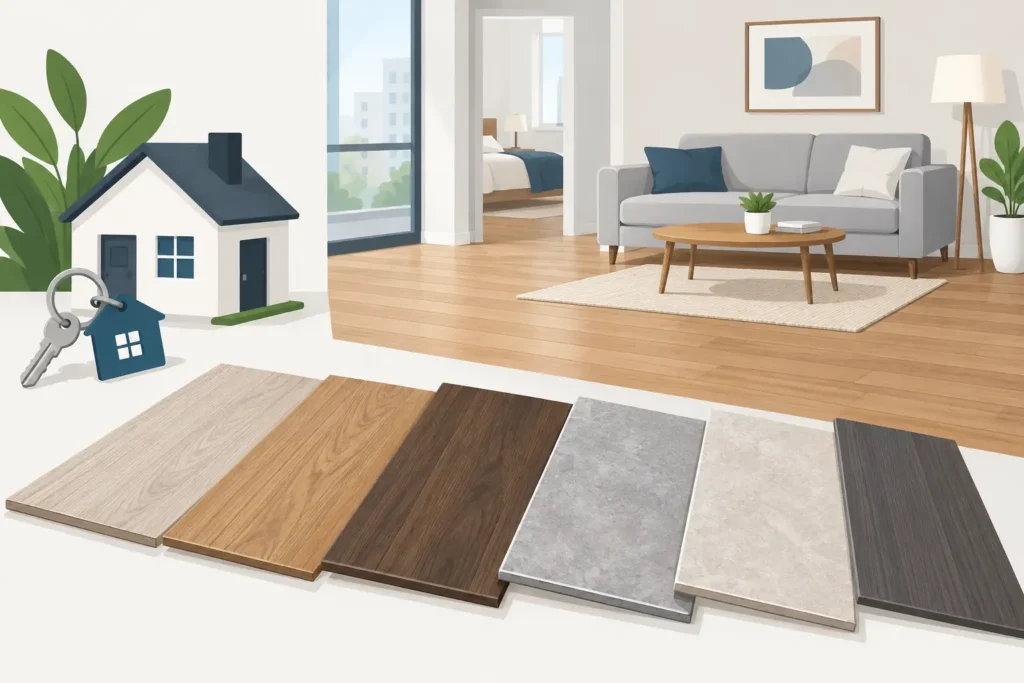
A rental floor has a harder working life than most. It needs to look good at a viewing, cope with everyday family life, clean up easily between tenancies and still make financial sense when you own more than one property. The best flooring for rental properties is rarely the cheapest option on the day - it is the one that keeps its appearance, limits call-backs and helps the home feel well cared for.
For many landlords, the right answer is a considered mix of flooring types rather than one material throughout. LVT may be ideal for a busy kitchen, durable laminate can suit bedrooms and living spaces, while engineered wood can add real appeal in a higher-value rental. The key is matching the floor to the room, the tenant and the level of rental property you want to offer.
What landlords should look for in rental flooring
A good rental floor needs to balance four things: durability, maintenance, appearance and replacement cost. Tenant appeal matters, particularly where local renters have plenty of choice, but a floor should not be so precious that normal living becomes a concern.
Think about the likely use of each room. Hallways, kitchens and open-plan living areas see the most footfall and are exposed to muddy shoes, spills and dragged furniture. Bedrooms are generally lower risk, while bathrooms need a floor designed for moisture. A practical specification in the right places will usually perform better than choosing one finish for the whole property.
It is also worth considering repairs. Can a damaged board or plank be replaced without lifting the entire floor? Is the surface forgiving of light scratches? Will the colour hide everyday dust and marks? Pale, highly polished finishes can look striking in a showroom, but mid-tone natural oak looks tend to be more accommodating in a busy let.
Best flooring for rental properties by room
LVT for kitchens, hallways and busy ground floors
Luxury vinyl tile, usually known as LVT, is one of the strongest all-round choices for rental homes. It is hard-wearing, warm underfoot, straightforward to clean and available in a huge selection of timber and stone-effect designs. It can give a kitchen or hallway a smart, contemporary look without the upkeep associated with natural timber.
LVT is especially useful where spills and moisture are part of daily life. A quality product is water-resistant, making it a sensible option for kitchens, utility rooms and entrance areas. It is also quieter and softer underfoot than ceramic tiles, which tenants often appreciate in flats and family homes.
Not every LVT product is the same, so look beyond the colour. Wear-layer thickness, fitting method and the condition of the subfloor all affect long-term performance. Click LVT can be convenient for certain projects, while dryback LVT is a popular choice where a secure, professional installation is required. If the subfloor is uneven, it should be prepared properly first. This is not the place to cut corners.
Laminate for value and everyday durability
Modern laminate flooring has come a long way. The better ranges offer convincing wood designs, a tough surface and excellent value for landlords fitting out several rooms. It is often a practical choice for lounges, dining rooms, bedrooms and upstairs hallways where you want a clean, consistent finish at an affordable price.
For rentals, choose a quality laminate with a suitable AC rating and a realistic textured finish rather than the lowest-cost board available. A stronger product will better withstand scuffs from chairs, toys, pets and regular moving in and out. Water-resistant laminate can also work well in kitchens, provided spills are wiped up promptly and the product is fitted according to its instructions.
Laminate does have limits. It is not the right choice for bathrooms, and standing water can cause problems around joints if it is left unattended. It can also sound harder underfoot than LVT or wood, particularly in an upstairs flat. The correct underlay helps, but landlords should consider sound transfer carefully where there are neighbours below.
Engineered wood for premium rentals
Engineered wood flooring is an excellent option for landlords aiming at the upper end of the rental market. It provides the warmth, character and natural variation of a real timber floor, while its layered construction offers greater stability than solid wood in many modern homes.
A well-chosen engineered oak floor can make a property feel more considered from the first viewing. It works particularly well in living rooms, entrance halls and open-plan spaces in period homes, renovated properties and executive lets. Tenants may see it as a sign of quality, and that can support stronger interest in the property.
The trade-off is cost and care. Wood can mark if tenants drag furniture, and it is less suited to wet rooms or areas where water is regularly splashed. Choosing an oiled, brushed or matt lacquered finish can help disguise minor signs of use more effectively than a very smooth, glossy surface. A natural mid-oak shade is often a safer long-term choice than a fashionable colour that may date quickly.
Solid wood for the right property
Solid wood flooring brings genuine character and can be refinished over time, but it is not automatically the best choice for every rental. It responds to changes in humidity and needs a stable environment, so it is generally better suited to carefully managed, premium properties than high-turnover lets.
Where a property has original features and the rental level justifies it, solid wood can be a worthwhile investment. In most standard rentals, however, engineered wood offers a similar visual result with fewer practical concerns. The important thing is not to fit a premium floor where its maintenance needs do not suit the tenancy.
Do not use one floor everywhere by default
A whole-property flooring scheme can look smart, but it should be practical first. Bedrooms may only need durable laminate, while a kitchen benefits from LVT and a main reception room could justify engineered wood. This approach lets you put budget where it will be noticed and choose tougher materials where they will be tested.
Continuity still matters. Choose complementary tones rather than matching every surface exactly. Natural oak shades, warm greys and gentle stone effects are easy to coordinate and tend to appeal to a broad range of tenants. Very dark floors can show dust, while very pale finishes may reveal dirt more quickly, so moderate shades are usually the safest choice for a rental.
Fitting quality protects your investment
Even the best flooring can fail if it is laid on an unsuitable subfloor or fitted without the necessary expansion gaps and preparation. Loose boards, lifting edges and visible gaps make a property feel poorly maintained, and they can quickly lead to complaints or further damage.
Before ordering, measure carefully and allow for cuts, waste and spare boards or planks. Keeping a small amount of the same batch can make future repairs far simpler, particularly if a tenant damages a section after the product has been discontinued. Use suitable door mats at entrances, felt pads under furniture and clear care guidance in the tenancy pack to give the floor the best chance of lasting well.
For local landlords who want to compare finishes properly, Oakley Wood Timber’s showroom offers more than 600 flooring products to see in person. Being able to handle samples, compare LVT against laminate and discuss the demands of a particular property with helpful staff can prevent an expensive wrong choice.
A sensible choice is usually the most profitable one
The floor that costs least at purchase can become the expensive option if it needs replacing after only a few tenancies. Equally, the most luxurious material is not always necessary. Choose a durable, attractive floor that suits the property’s rental level and the way each room will be used, then invest in proper fitting. Your tenants will have a home that feels cared for, and you will have a finish that is easier to maintain for years to come.